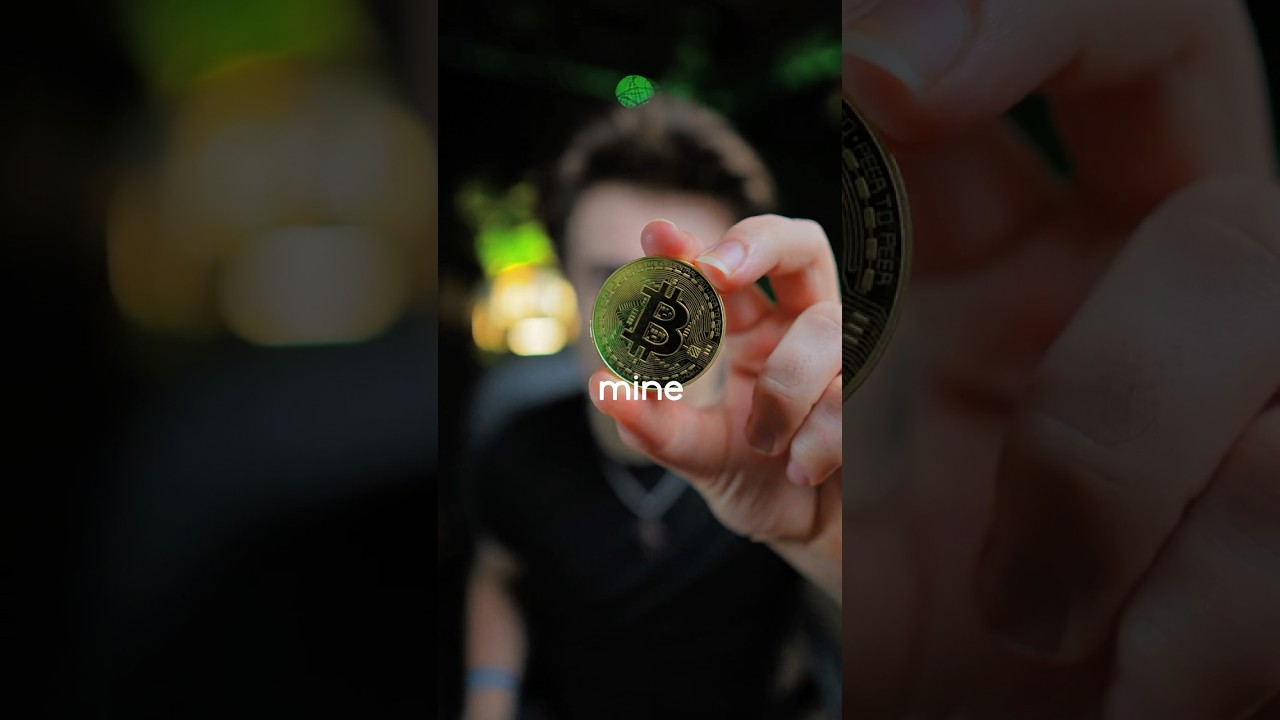
When Young Adults Finally Buy Their First $100 of Bitcoin: Sam’s Story
Sam, 28, had been watching crypto headlines for years. Friends made jokes, others bragged about early gains. After saving up a little, Sam decided to buy a single $100 worth of Bitcoin to stop feeling left out and to learn by doing. Sam signed up on an exchange that promised "instant buys" and a slick app interface. The onboarding asked for a photo ID, a selfie, and a link to a bank account. Sam clicked "buy", watched the confirmation screen, and logged out feeling oddly proud.
Two days later Sam opened the app and the balance showed the $100 chunk of Bitcoin. Relief. Curiosity. Then alarm. The app had a banner: "Withdrawals temporarily suspended for selected accounts." Sam searched the help center, opened a support ticket, and found automated replies pushing a "verification" loop that required more documentation. Meanwhile the chat bot suggested converting to another coin to avoid the hold. That sounded suspicious. Sam panicked - were the funds trapped? Had Sam been scammed? Friends had warned about sketchy exchanges and scams that "lock" money, so Sam considered taking drastic steps like chargebacks or switching platforms.
This is not a rare tale. People in their 20s and 30s who finally decide to risk a small amount often face opaque policies, sudden holds, or flows designed to keep funds on platform. The emotional effect matters. That first $100 is not about the dollar value. It represents crossing a psychological barrier from consumer curiosity to ownership anxiety. Sam’s experience highlights common traps and what actually works to maintain control and avoid losing money to mistakes or bad actors.
The Hidden Risk of Buying Your First $100 of Crypto
Buying crypto is two acts: purchasing on a platform and owning private keys. Many newcomers assume the platform's balance means true ownership. That assumption is the root of the problem. You can hold a $100 entry and have no real control if the exchange restricts withdrawals or imposes confusing steps. The real risk is not price volatility. It is operational friction that leaves you dependent on a third party.
Here are the core issues behind that friction:
- Custodial vs non-custodial custody: Most exchanges are custodial. They hold the private keys. If the exchange freezes withdrawals, your crypto is stuck. KYC and verification delays: Exchanges may require multiple identity verifications. Small accounts are not exempt - sometimes they trigger automated fraud signals that pause transfers. Withdrawal limits and fees: Some platforms have minimums or incremental limits. A $100 buy might not meet thresholds for cheap onchain withdrawals once fees are considered. Phishing and social engineering: New buyers are prime targets for fake "support" messages and deceptive prompts to share recovery phrases or passwords. Complex UI and risky defaults: Buttons that say "convert", "stake", or "transfer" can redirect funds into illiquid products that are hard to extract quickly.
As it turned out, a lot of the anxiety around the first purchase is structural. The marketplace is not hostile by design, but incentives and regulatory compliance lead platforms to create processes that can trap users temporarily. That temporary trap feels permanent when you only have $100 and a fear of clicking the wrong button.
Why Popular Quick-Fix Exchanges Often Leave You Stuck
Many newcomers choose the most convenient app: the one with a sleek UI, predictable fees, and instant purchases. Those conveniences come with trade-offs. The app is optimized to keep assets on the platform because that's how the business earns fees and services. Meanwhile the user is left thinking "I own crypto", when in practice they own an account balance that mirrors crypto.
Common complications that make simple fixes fail:
- Verification churn: You upload a photo ID, the system asks for a different angle, then a selfie with a piece of paper. Each step can trigger new checks and extend holds. Minimum withdrawal thresholds: Withdrawing a small amount can be uneconomical or impossible without converting into another token first. Onchain fees and timing: Gas fees for Ethereum can make withdrawing $100 seem silly. The exchange may require you to hold until fees drop or to convert to a cheaper token, which introduces market risk. Confusing UX patterns: The "deposit" button looks like "withdraw" or the app suggests "lock in interest" options that lock your funds for a set period. Customer support limits: Support is often slow or scripted. When withdrawals are halted for compliance, human intervention may take days or weeks.
Thought experiment: imagine buying $100 in a points system on a gaming platform. The platform tells you those points have value, but you can't transfer them outward unless you meet certain conditions. You'd feel misled. Crypto should not advfn.com be thought of like platform points. Yet many users discover its similarity the hard way.
How One Simple Strategy Helped Sam Actually Own Their Crypto
Here’s the turning point for Sam. After two days of automated replies and a growing sense of dread, Sam stepped back and made a plan. Instead of treating the platform as the destination, Sam treated it as a temporary on-ramp. That mindset shift is the crucial breakthrough for any first-time buyer.
Sam followed these steps - a method you can mirror with your first $100:

As it turned out, that test send prevented a panicked response when a verification request later came from the exchange. Sam had a copy of the funds safely outside the platform and could proceed at a comfortable pace. This led to a better understanding of onchain fees and the actual steps needed to own crypto.
Practical details you should know before sending your first onchain transfer
- Always double-check the wallet address. Blockchains do not have a universal "undo" button. Start with the native coin of the chain (Bitcoin for BTC, Ether for ETH). Conversions can add complexity and sometimes prevent easy withdrawals. Know the network fee. If gas is high, consider waiting or choosing a cheaper chain for your test move. Keep records. Save transaction hashes and screenshots in case you need to verify later with support.
From $100 in Fear to Confident Ownership: Real Results
After Sam moved the $10 test and then the remaining $90, something shifted. The panic subsided. The first $100 that once felt like a trap became an educational expense that bought practical knowledge. Sam could now explain the difference between account balances and private keys, could spot a phishing attempt, and knew how to check a transaction on a block explorer.
Real results look like this:
- Immediate ownership: Instead of a balance on a platform, you hold cryptographic keys that let you move funds freely. Lower anxiety: With small test transfers, you learn the rhythm of confirmations, fees, and transfer times. Reduced susceptibility to scams: Knowing not to share seed phrases and to verify domain names makes you less likely to lose funds to social engineering. Better decision-making: You can decide whether to keep funds on an exchange for trading or to withdraw them to a personal wallet, based on informed tradeoffs.
Thought experiment: imagine two people each get $100 in digital money. One keeps it in an account that can be restricted by a website. The other controls the private keys. Which person would you trust more to access those funds in an emergency? The answer should be obvious, and yet many newcomers default to the account model because it feels easier in the moment.
Checklist: How to safely buy and withdraw your first $100
Step Action Before Buying Research the exchange's withdrawal policy and set up a non-custodial wallet. Buy Use a reputable on-ramp. Keep the purchase small initially. Test Send a small test amount to your wallet and verify on a block explorer. Secure Enable 2FA, use a unique password, and store your seed phrase offline. Withdraw When satisfied with the test, withdraw the remaining balance. Keep records of transaction IDs.This method is not magical. It will not prevent every problem. Exchanges can still experience downtime, and clever scammers will adapt. Still, the simple act of owning your keys and validating a test transfer dramatically reduces the chance that your first $100 ends up in limbo.
When to use an exchange and when to avoid it
Exchanges are useful for trading, fiat on-ramps, and accessing derivatives. Use them when you need their services, but do not use them as a long-term storage solution for assets you want to fully control. Meanwhile, if your goal is to hold a small amount long term without playing the market, send it to a non-custodial wallet and keep learning from there.
As it turned out, Sam's experience scaled beyond $100. With tokens in a personal wallet, Sam experimented with small decentralized finance interactions, always using new test amounts first. This disciplined approach turned initial fear into steady confidence.
Final takeaway: that first $100 is more than money. It is a training ground. Treat it like that. Plan the steps, verify with tests, and keep control of the keys. Do this and the risk of being stuck with frozen funds drops dramatically. If you feel pressure to click "convert", "stake", or "withdraw to bank" without thinking, pause and run the checklist first. That pause might save you from a scramble later.